
Navigating Wholesale Textile Sourcing in Dubai: The Deira & Bur Dubai Guide
A comprehensive commercial buyer's guide to Dubai's historic textile markets. How global fashion brands, Gulf boutiques, and regional distributors navigate whol…
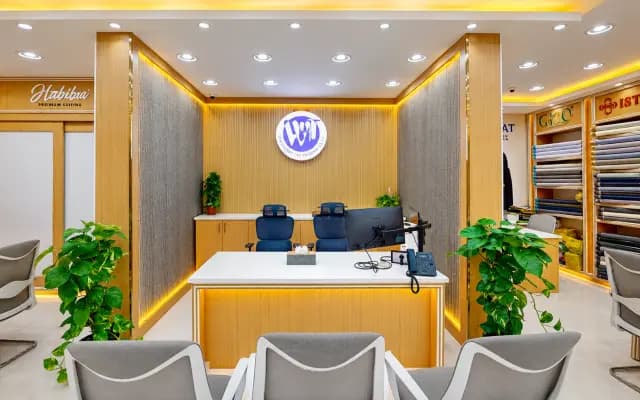
A comprehensive commercial buyer’s guide to Dubai’s historic textile markets. How global fashion brands, Gulf boutiques, and regional distributors navigate wholesale fabric hubs.

Dubai stands as the undisputed textile capital of the Middle East and North Africa. Centered around the historic creekside districts of Al Sabkha, Deira and Al Souq Al Kabeer, Bur Dubai, these bustling trading corridors transact billions of dollars annually in luxury silks, crepes, Japanese polyesters, and ceremonial brocades.
The Strategic Advantage of Dubai’s Textile Hub
For international buyers and GCC fashion houses, sourcing textiles through Dubai provides distinct operational advantages over dealing directly with overseas mills in Japan, Korea, China, or India:
- Immediate Stock Availability: Warehouses across Dubai hold thousands of ready-to-ship rolls, eliminating 60–90 day production lead times for standard collections.
- Flexible Minimum Order Quantities (MOQs): Test new color palettes or capsule collections with single-roll minimums (approx. 23 meters) before committing to container volumes.
- Zero-Friction Logistics: Proximity to Jebel Ali Port and Dubai International Airport enables express customs clearance and regional road freight to Oman, Saudi Arabia, and Bahrain within 24–48 hours.
- Tactile Quality Control: Buyers can physically inspect swatches, test fabric recovery, and verify GSM weights in air-conditioned showrooms before signing delivery agreements.

Comparing Dubai’s Core Textile Districts
Understanding the specialized profile of each district saves commercial buyers valuable time when curating collections:
| District | Key Locations | Primary Fabric Focus | Best Suited For |
|---|---|---|---|
| Al Sabkha (Deira) | 8th & 9th Streets, Sikkat Al Khail | High-volume wholesale rolls, Japanese Nida, everyday abaya crepes, linings | Bulk distributors, regional fashion exporters, large manufacturers |
| Al Souq Al Kabeer (Bur Dubai) | Al Fahidi Street, Souq Textile corridors | High-end bridal laces, embroidered tulles, handworked crystals, ceremonial silks | Couture ateliers, custom bridal designers, bespoke tailors |
| Dubai Textile City (Warsan) | Ras Al Khor industrial zone | Container staging, bulk logistics, re-export packing | Multi-container shipments to Africa, Central Asia & Europe |
“Navigating Dubai’s textile market effectively requires building long-term trust with established traders who guarantee batch color match and transparent origin documentation.”
Essential Best Practices for Commercial Buyers
To maximize your return on sourcing trips to Dubai, keep these industry best practices at the forefront:
- Request Dye-Lot Verification: When purchasing split orders for a single collection, ensure all rolls stem from the identical dye-lot (Dye Vat ID) to eliminate subtle shade variation under retail store lighting.
- Confirm Shrinkage & Pre-Treatment: Verify whether natural-blend or textured crepes require pre-shrinking prior to laser cutting or multi-ply industrial stacking.
- Establish Dedicated Forwarding Lines: Partner with established traders like Wadi Hattat who offer integrated customs clearance and door-to-door freight to your manufacturing facility.
Need Personalized Sourcing Assistance?
Wadi Hattat Trading operates four specialized showrooms across Deira and Bur Dubai. Our bilingual sourcing managers assist overseas buyers with sample curation, lab dips, and multimodal container export.
Related Articles
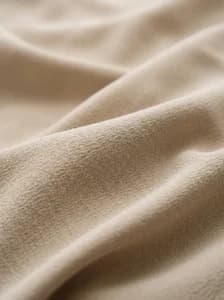
Evolving Textile Trends in Modern GCC Modest Fashion
From lightweight textured crepes to matte organza overlays and earthy mineral palettes, explore the defining fabric inno…
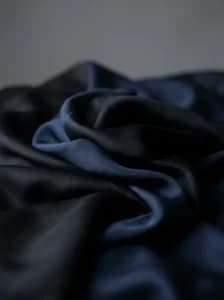
The Ultimate Guide to Authentic Japanese Nida Fabric for Luxury Abayas
Discover why genuine Japanese Nida remains the gold standard in GCC modest fashion. Learn about weave densities, drape p…